The November Toastie Table: Ten British Cheeses for Cold Evenings
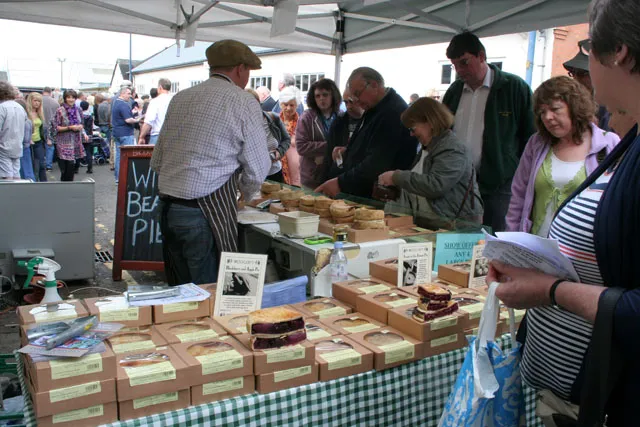
Photo: Kate Jewell , CC BY-SA 2.0, via Wikimedia Commons
By the second week of November, the dark arrives before the kettle has finished boiling. Bonfire Night is behind us, the clocks have changed, and the walk home from the deli has that cold, leaf-mould smell that makes a warm kitchen feel like a destination. This is toastie weather. Not the thin, sad kind that comes in a plastic sleeve, but the proper British cheese toastie: sturdy bread, good butter, a cheese with character and something sharp or crunchy to cut through the richness. Here are ten artisan British cheeses worth melting in November 2026, with bread, pickle and a few deli odds and ends to go with them.
The Formula: Richness, Acidity, Crunch
A great toastie is a balancing act. You need richness from the cheese and butter, acidity from a pickle, chutney or a slice of apple, and crunch from the bread or something inside it. Get all three and a simple supper feels generous. Miss the acidity and the whole thing turns claggy. Miss the crunch and it becomes a cheese sandwich that has lost its nerve.
Use a sturdy loaf: sourdough, bloomer, rye or a good seeded batch. Butter the outside, not the inside, and cook it low and slow so the cheese melts before the bread burns. If you have a panini press, fine. If not, a heavy frying pan and a lid will do. Grate or crumble the cheese rather than slicing it thickly; it melts more evenly. And do not be afraid to mix two cheeses: one for melt, one for flavour.
Ten British Cheeses for Cold Evenings
1. Sharp West Country cheddar
A cloth-bound cheddar with a bit of age is the backbone of the British toastie. It brings salinity, a crumbly edge and enough acidity to stand up to dark bread. Pair it with sourdough, apple chutney and a few slices of raw onion. Grate it coarsely so it folds into the bread rather than sitting on top.
2. Mature Lancashire
Lancashire is a softer, crumblier cheese with a gentle tang. It melts into something creamy without losing its savoury edge. Use a bloomer, a smear of mustard pickle and a little chopped ham if you have it. The pickle is not optional; Lancashire needs a jolt.
3. A soft Devon blue
This is the gooey one. A soft, spoonable blue from Devon or Somerset will collapse into the bread and make a rich, salty, faintly sweet filling. Pair it with walnut bread, pear chutney and a handful of watercress added after cooking. Do not overfill; a little goes a long way.
4. Caerphilly
Caerphilly is fresh, crumbly and slightly lemony, which makes it a surprising but excellent toastie cheese. It does not stretch, but it softens beautifully. Use rye bread, a good piccalilli and a few slices of cooked beetroot. The acidity of the pickle and the earthiness of the beetroot keep it from feeling flat.
5. Red Leicester
Red Leicester brings colour, a mild nuttiness and a lovely close melt. It is the cheese for a Sunday-night fridge raid. Pair it with seeded bread, tomato chutney and any odds and ends of cooked bacon or roasted squash. A little mustard in the butter helps.
6. A washed-rind British cheese
Look for a British washed-rind cheese with a sticky rind and a savoury, slightly farmyard aroma. It will melt into something luxurious and pungent. Use potato bread, cornichons and a few slices of pear. The cornichons are there to cut the richness; without them, the toastie can tip into too much.
7. Wensleydale
Young Wensleydale is crumbly, milky and gently acidic. It is not the most dramatic melter, but it makes a lovely, light toastie when you want something less heavy. Pair it with brioche, chilli jam and a handful of rocket. Press it gently so the cheese softens without the bread collapsing.
8. Double Gloucester
Double Gloucester is rich, buttery and slightly sweet, with a good firm texture. It melts into a golden, pliable filling. Use a crusty white loaf, pickled walnuts and a little chopped celery for crunch. It is a proper winter combination, especially with a bowl of soup alongside.
9. A British brie or Camembert-style cheese
A good British brie, made close to home, will ooze and pool in the bread. Pair it with a baguette or a sturdy sourdough, quince cheese and a few toasted hazelnuts. The quince brings the acidity; the nuts bring the crunch. Eat it over a plate, because it will make a mess.
10. Stilton
Stilton is not just for the Christmas board. Crumble it into a toastie with dark rye, pickled beetroot and a little grated apple. The salt and blue sharpness need fruit and acidity, and the apple does both. Use less than you think; Stilton is powerful.
Using Up the Odds and Ends
The best toastie is often a fridge-clearing exercise. A heel of cheese, a spoonful of chutney, the last pickle in the jar, a scrap of roast chicken or a few mushrooms: all of it can go in. The rule is simple. One cheese for melting, one something for acidity, one something for crunch. If you are short of bread, use potato cakes or split rolls. If you are short of butter, brush the outside with a little oil. If you are short of chutney, a sliced apple or a few cornichons will do.
This is the point of a neighbourhood deli in November. You should not need a supermarket run to make supper. You need a good loaf, a lump of cheese and a jar that has been chosen with care. The dark nights are long enough. The toastie should be the easy part.