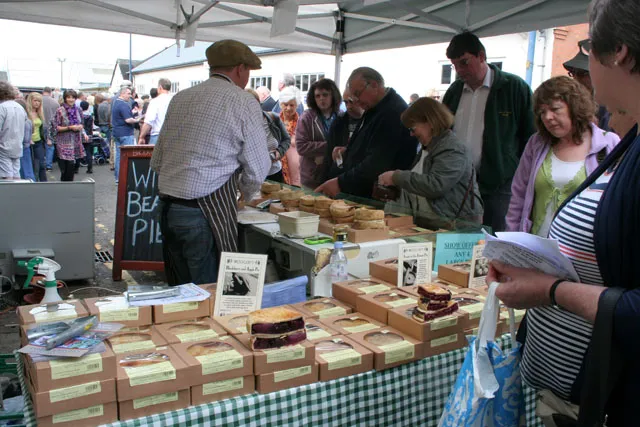
The Tighter Larder: Why Fewer Preserves Make a Better Deli
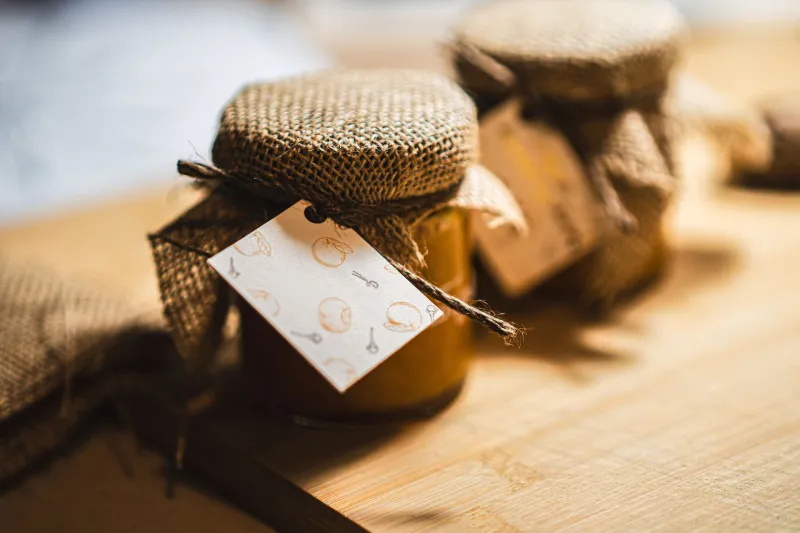
There is a certain deli shelf that looks impressive from the doorway. It runs the length of the wall, three jars deep, and every label seems to shout. Fig and vanilla. Prosecco marmalade. Chilli honey with a name that sounds like a festival. It is abundant, colourful and strangely unhelpful. At The Deli on the Hill, we would rather have six jars that earn their place than sixty that simply fill one.
Abundance Is Not the Same as Choice
A wall of novelty jars is not a larder. It is a display. The difference matters in a neighbourhood deli, where shelf space is tight, rent is real and every jar should tell a customer something about the season, the maker and the way we eat. A tight preserve range is not a limitation. It is an invitation: taste this, put it with that, come back when the quince is gone.
Small-batch preserves are not cheap to make. Fruit has to be bought in sensible quantities, sugar and pectin cost money, and a maker who cooks in 30-jar batches cannot compete with a factory on price. That is exactly why the deli shelf should be curated. If everything is on offer, nothing is. If the range changes with the seasons, the customer learns something. In November 2026, that might mean the last of the quince cheese, an apple and cider chutney made a few miles away, and a soft-set Seville marmalade from the winter batch. In June, it will mean something else. That rhythm is the point.
Three Tests for a Proper Small-Batch Jar
You do not need a laboratory to judge a preserve. You need a spoon, a little curiosity and the willingness to ask. Three things matter most.
The set
A marmalade should wobble, not bounce. A chutney should be thick enough to hold a spoon but loose enough to slide off it. A fruit cheese should slice cleanly without fighting the knife or turning to rubber. Set tells you a great deal about sugar, pectin and cooking time. Too firm often means too much sugar or a heavy hand with pectin; too loose can mean a preserve that will weep in the fridge. Neither is a crime, but both change how the jar behaves on the plate.
The fruit ratio
Turn the jar around. Ingredients are listed in descending order, so if sugar is first and fruit is an afterthought, put it back. A proper preserve should taste of fruit first and sweetness second. Look for a high fruit percentage, a named fruit and a short ingredient list. Fruit cheese should be dense with fruit, not simply dense with sugar. A chutney should have texture: visible pieces, a little bite, a background of vinegar and spice rather than a flat sweet-sour paste.
The provenance
Who made it? Where did the fruit come from? When was this batch cooked? These are not fussy questions. They are the difference between a jar with a story and a jar with a barcode. A small maker will usually be pleased to tell you. A good deli should know the answer without reaching for a file. Provenance is not just a romantic idea; it tells you how fresh the preserve is, how far it has travelled and whether the maker is cooking with the seasons or buying in bulk.
The Ask-Before-You-Buy Checklist
Before you hand over your money, ask these questions. Any decent deli should be able to answer most of them, and the answers should make you more confident, not less.
- Who made this preserve, and where?
- When was this batch made?
- What percentage of the jar is fruit?
- Is the set soft, medium or firm?
- Which fruit is in season, and which is from store?
- What would you put this with?
- Is it a seasonal preserve or an all-year one?
- Can I taste it before I buy?
That last point is the one that changes everything. A teaspoon of marmalade on a plain cracker, a dab of chutney with a scrap of cheese, a sliver of fruit cheese with a walnut: tasting turns a shelf into a conversation. It also protects the customer. A jar that tastes dull on the spoon will not improve at home.
What a Curated Shelf Looks Like in November
A good November preserve shelf is not a museum of summer. It is a working larder for cold evenings. Ours might hold a soft-set Seville marmalade for toast and porridge; a quince cheese to slice with cheese; an apple and cider chutney for pies, pork and sharp cheddar; a beetroot and horseradish relish for sandwiches; a pear and walnut chutney for blue cheese; and one dark, sticky damson cheese for the corner of a supper board. Six jars, each with a job.
That is the small-jar manifesto in practice. Not fewer preserves because we are mean with shelf space, but fewer because we want each one to be tasted, understood and used. A deli is not a supermarket aisle. It is a place where someone has already done some of the choosing for you. The least we can do is make those choices count.