A Darker Sort of Christmas Cheer: Why Pickled Walnuts Deserve the Board
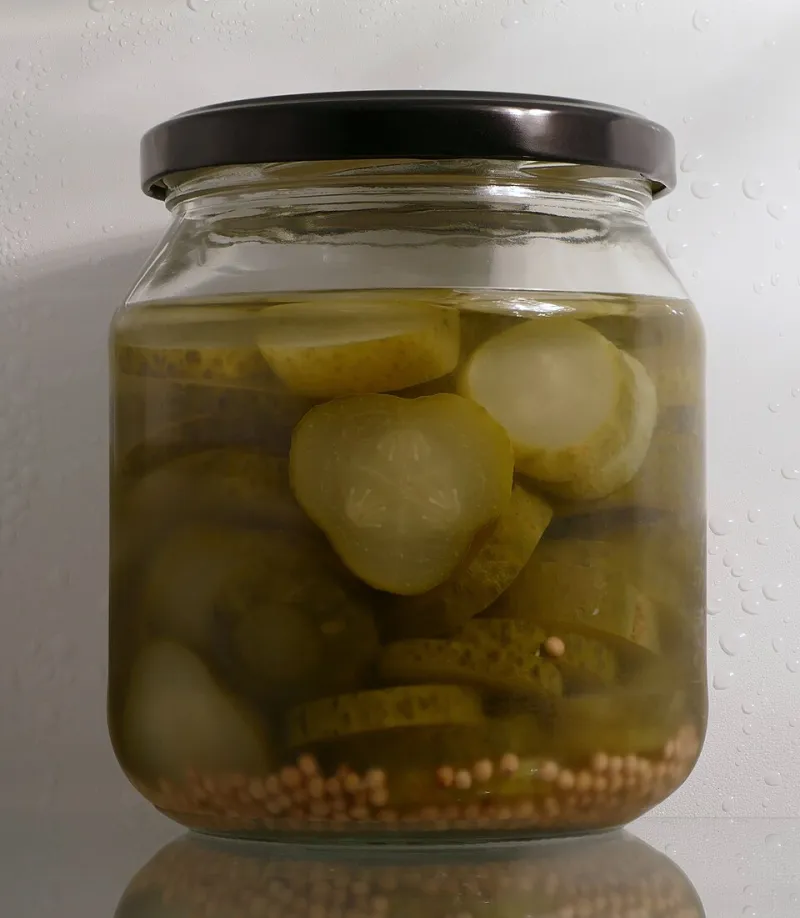
Photo: W.carter, CC BY-SA 4.0, via Wikimedia Commons
At the back of the counter, behind the chutneys and the marmalades, there is usually a jar of something almost black. It does not shout. It does not sparkle. It sits there like a small, serious animal waiting for someone to ask what it is. That jar is pickled walnuts, and as we head into the 2026 Christmas season, I would like to make a quiet case for bringing it forward.
The Jar Everyone Walks Past
Pickled walnuts are not fashionable. They are not new. They are not going to be photographed beside a flat white and a sourdough starter. But they are one of the most useful things on a deli shelf, and one of the most British. A good pickled walnut is firm, almost meaty, with a tang that cuts through fat and a dark, malty depth that makes sense beside cheese, cold meat and good bread.
Too often, though, they are treated as a relic. Something for a great-aunt’s table. Something you buy once and keep in the cupboard until it goes cloudy. That is a shame. A well-made pickled walnut is not a museum piece. It is a working preserve, and it earns its place.
What Makes a Walnut Pickled?
Here is the bit that surprises people: pickled walnuts are not made from ripe walnuts. They are made from green walnuts, picked in early summer before the shell hardens inside. The walnuts are pierced, steeped in brine for days or weeks, then dried until they turn black. Only then are they covered in spiced vinegar. The result is dark, wrinkled and slightly alarming to look at, but the flavour is extraordinary: sour, sweet, a little tannic, with a savoury note that sits somewhere between malt vinegar and a good stout.
It is a slow process, and a fussy one. That is exactly why it is worth buying from a small producer rather than a supermarket own-brand. The kind of British makers we try to keep on the shelf – the ones working in Worcestershire, Kent, Herefordshire and other pockets of the country – still do it properly. They understand that a pickled walnut should have bite, not mush. They know that the vinegar needs spice, not just heat. And they know that a jar should last through the winter, not just until Boxing Day.
The Christmas Board Argument
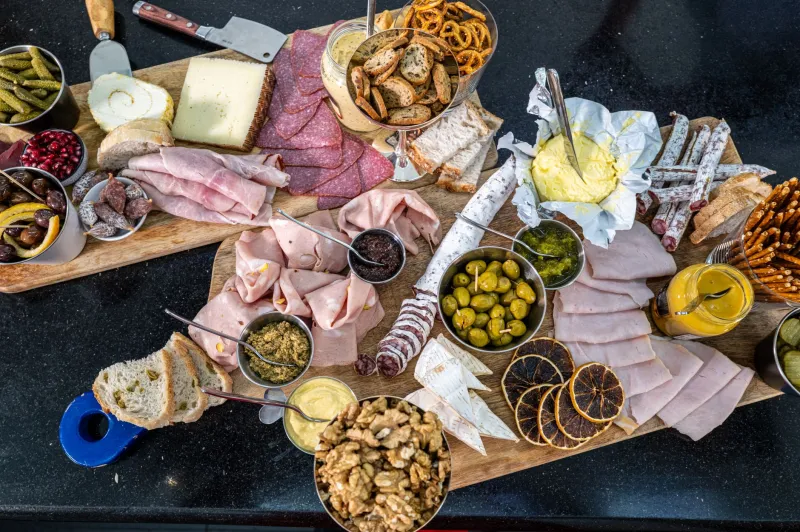
Christmas cheese boards can get samey. Cheddar, Stilton, a few grapes, maybe a chutney that tastes like sugar and regret. Pickled walnuts change the conversation. Their acidity lifts the richness of a blue cheese. Their dark, earthy flavour flatters a mature cheddar. Their firm texture gives you something to chew against soft, cold cuts – ham, tongue, leftover goose, a slice of pork pie. They are, in short, a better partner to Christmas food than most of the sweet preserves that crowd the same shelf.
They also solve a practical problem. Christmas eating is rich. There is a lot of butter, a lot of cream, a lot of gravy. A pickled walnut is a small, sharp corrective. It wakes up the palate. It makes the next bite of cheese taste like the first. That is not a small thing when you are staring down a fortnight of leftovers.
How to Build a Winter Plate Around One Jar
You do not need a huge spread. A simple plate is better. Start with a wedge of something strong – Stilton, mature cheddar, a soft goat’s cheese if you want contrast. Add a few slices of cold ham or leftover roast. Put out oatcakes or a slice of dark sourdough. Then add three or four pickled walnuts, sliced in half so people can see what they are. A few cornichons or pickled shallots are fine, but do not overcrowd the plate. The walnut is the point.
If you want to push it further, chop a pickled walnut into a dressing for cold roast beef. Or add a slick of the vinegar to a gravy at the last minute. Or serve one alongside a bowl of hot potato soup. It is a preserve that works with cold food and hot food alike, which is more than you can say for most chutneys.
Why the Counter Still Matters
A jar on a supermarket shelf is anonymous. A jar opened at a deli counter is a conversation. We can tell you where it comes from, how long it has been aged, whether it is made with cider vinegar or malt, and what it is like with a particular cheese. We can give you one to try. We can tell you that you probably do not need the biggest jar if you are the only person in the house who likes them. That is the role of a small deli in 2026: not just selling the thing, but keeping the knowledge alive.
Pickled walnuts have been a British storecupboard staple since at least the 18th century. They have survived wars, rationing, refrigeration and the rise of the ready meal. They deserve better than to be the jar at the back. So this Christmas, move them forward. Put them on the board. Let them be the dark, tangy surprise in the middle of all that cream and butter. They have been waiting long enough.