Twenty-Four Small Doors: Building a Deli Advent Calendar with a Local Story

Photo: artisan deli advent calendar brown paper parcels cheese crackers preserves twine, via tintuc.dienthoaigiakho.vn
For a long time, the advent calendar was a lovely bit of theatre attached to a disappointing snack. You paid for cardboard, got a tiny square of chocolate, and by 14 December everyone had lost interest. In 2026, with food budgets still tight and shoppers more curious about where things come from, the deli counter offers a better script. A curated advent calendar can tell the story of the hilltop shop, the producers we buy from, and the way we actually eat in December: a bit of cheese, a spoon of preserve, a cracker, a slice of something cured.
Why a deli advent earns its shelf space
Mass-market calendars are engineered for shelf appeal, not eating pleasure. They tend to be heavy on packaging, light on provenance and oddly forgettable once the first week is done. A deli-made calendar is the opposite. You choose the contents, so you can mix a little luxury with everyday usefulness. You can wrap in paper rather than plastic. You can buy exactly what you need from small UK producers, which means your money stays closer to home.
There is also the pleasure of anticipation with a bit of substance. A tiny waxed cheese and a spoonful of damson cheese is a proper little event. A cracker with a sliver of cured pork and a smear of mustard is a five-minute pause in a busy day. That feels more in keeping with December than a foil-wrapped square eaten while standing at the kettle.
The 24-day shape of it
Think in components rather than random treats. A good calendar has rhythm: something savoury, something sweet, something crunchy, something to share. For a single adult or a couple, aim for small portions. For a family, keep the items shareable so nobody feels left out.
A workable formula for 24 days:
- 6 mini cheeses, ideally waxed or vacuum-packed so they keep
- 4 jars or small pots of preserve: chutney, jelly, marmalade, honey
- 4 packets of crackers or oatcakes, split into smaller paper bags
- 3 cured meats or charcuterie slices, wrapped individually
- 3 sweet treats: fudge, honeycomb, chocolate from a small maker
- 2 savoury extras: olives, nuts, cornichons
- 2 wildcards: a tea bag, a spice sachet, a tiny bottle of something interesting
You do not need 24 different products. Buying a few things and dividing them is cheaper, less wasteful and easier to wrap. A bag of oatcakes can become four days. A jar of marmalade can be spooned into small pots. A whole salami can be sliced and wrapped.
Pairing notes that do the storytelling
A deli advent works best when the days talk to each other. Instead of labelling everything by number alone, add a small card with a pairing suggestion. It turns the calendar into a mini tasting menu and gives people a reason to slow down.
Some pairings to borrow:
- A crumbly Somerset Cheddar with a spoon of orchard chutney
- A soft blue with a piece of honeycomb and a plain oatcake
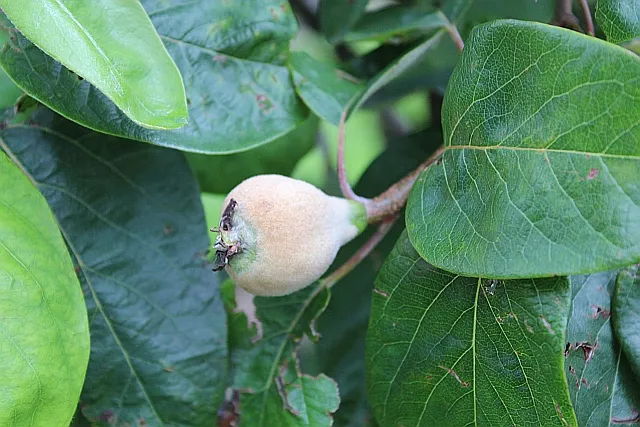
- A waxed mini goat's cheese with a little pot of quince or crab apple jelly
- A slice of fennel salami with cornichons and a black pepper cracker
- A wedge of Wensleydale with a few walnuts and a dab of damson cheese
- A tiny pot of honey with a piece of strong cheese and a digestive-style biscuit
Keep the notes short. 'Cheddar, chutney, cracker. Eat together. Thank us later' is enough. If you are selling the calendars in the shop, these cards are also a gentle way to explain provenance without turning the shelf into a lecture.
Small producers, not small print
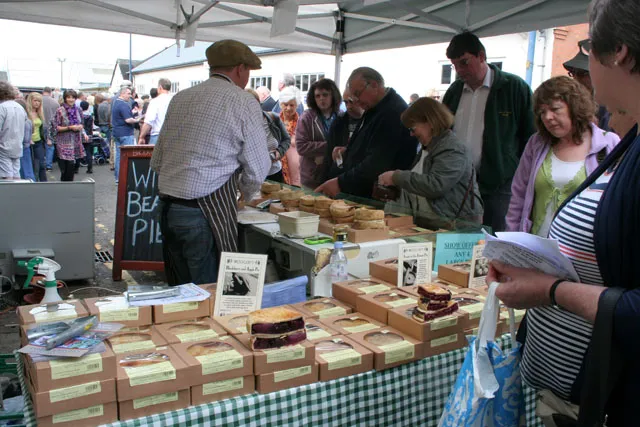
This is where the hilltop shop earns its keep. A deli advent should feel rooted, not generic. Look for cheeses made within a day's drive, preserves put up in small batches, charcuterie from British pigs, and crackers baked by people who would recognise their own flour bill. Ask your deli counter for the stories: who made it, where, and what it likes to be eaten with.
A few useful questions at the counter:
- Which of these cheeses will keep for three weeks in a cool box?
- Which preserves are made in the UK and in small batches?
- Do you have allergen information I can copy onto my cards?
- Which items freeze well if I am assembling early?
You do not need famous names. A little-known Cheddar from a farm on the Mendips can be more interesting than a big brand. A jar of marmalade made in a village hall can outshine a supermarket bestseller. The story is the point, but only if the eating is good. Taste first, romance second.
Wrapping the hilltop way
You can buy beautiful advent boxes, but you do not need to. A sturdy cardboard box from the shop, a roll of brown paper, a rubber stamp and some twine will do. Number the parcels 1 to 24 with a stamp or a marker. Use paper bags for crackers and nuts, wax paper for cheese, and small glass jars only if you are confident they will not rattle. Avoid plastic where you can, but do not let perfectionism ruin the project: food safety comes first.
Practical wrapping tips:
- Wrap cheeses separately and keep them cool until the calendar is ready to hang or box.
- Put heavy items at the bottom of the box and soft items on top.
- Label allergens clearly on the card, especially nuts, gluten and dairy.
- Keep the whole thing somewhere cool and dry, away from radiators and direct sun.
- If you are giving it as a gift, include a small note about storage and the best order to eat things.
A practical timeline for 2026
Advent Sunday falls on 29 November in 2026, but most people still expect a calendar to run from 1 to 24 December. That gives you a comfortable window.
- By 20 November: decide on the formula and ask the deli counter what will keep.
- 24 to 26 November: buy shelf-stable items and order any fresh cheese for collection.
- 27 to 28 November: assemble, wrap and label. Keep fresh items in the fridge until the last moment.
- 1 December: start eating. Keep a small notebook or a card inside the box so people can note favourite pairings.
A deli advent is not about spending more. It is about spending deliberately. A few good things, divided and wrapped with care, will beat a box of identical chocolates every time. And when the last door is opened on Christmas Eve, you will have a little larder of stories rather than a pile of cardboard.